
Identifying Carbon Hotspots in Projects
Practical ways to focus effort where it actually matters
Reducing carbon in property and infrastructure projects is often framed as a complex, all-or-nothing challenge. In practice, most projects do not have a carbon problem across the board. They have a carbon concentration problem.
A relatively small number of materials, systems, and construction decisions typically account for the majority of a project’s embodied carbon. Identifying these carbon hotspots early gives project teams real leverage, without redesigning everything or compromising commercial outcomes.
What is a carbon hotspot?
A carbon hotspot is any material, element, or construction process that contributes a disproportionately high share of a project’s total emissions.
In buildings and infrastructure projects, hotspots are usually driven by one or both of:
High volumes (for example concrete or bulk earthworks)
High carbon intensity (for example cement, steel, or certain finishes)
Common hotspots include:
Concrete, particularly cement content and strength specification
Structural steel
Pavements and earthworks
Temporary works and construction methodology
Mechanical and electrical systems in building projects
The key point is that not all scope is equal. Treating every element the same spreads effort thin and delivers limited results.
Step 1: Quantify carbon early
Effective carbon reduction starts with measurement, but the level of detail must match the design stage.
Early-stage carbon modelling should:
Align with concept or schematic design maturity
Use reference quantities from cost plans or early design models
Draw on recognised EPDs and carbon databases
Clearly document assumptions and exclusions
At this stage, precision is less important than insight. The objective is not to calculate a final carbon footprint, but to understand where emissions are coming from.
A simple question guides this step:
Which elements are driving most of the project’s embodied carbon?
Step 2: Rank and visualise hotspots
Once quantified, carbon should be ranked and made visible to the wider team.
Practical approaches include:
Ranking elements by total embodied carbon contribution
Using Pareto analysis to highlight the dominant drivers
Comparing carbon contribution alongside cost and quantity data
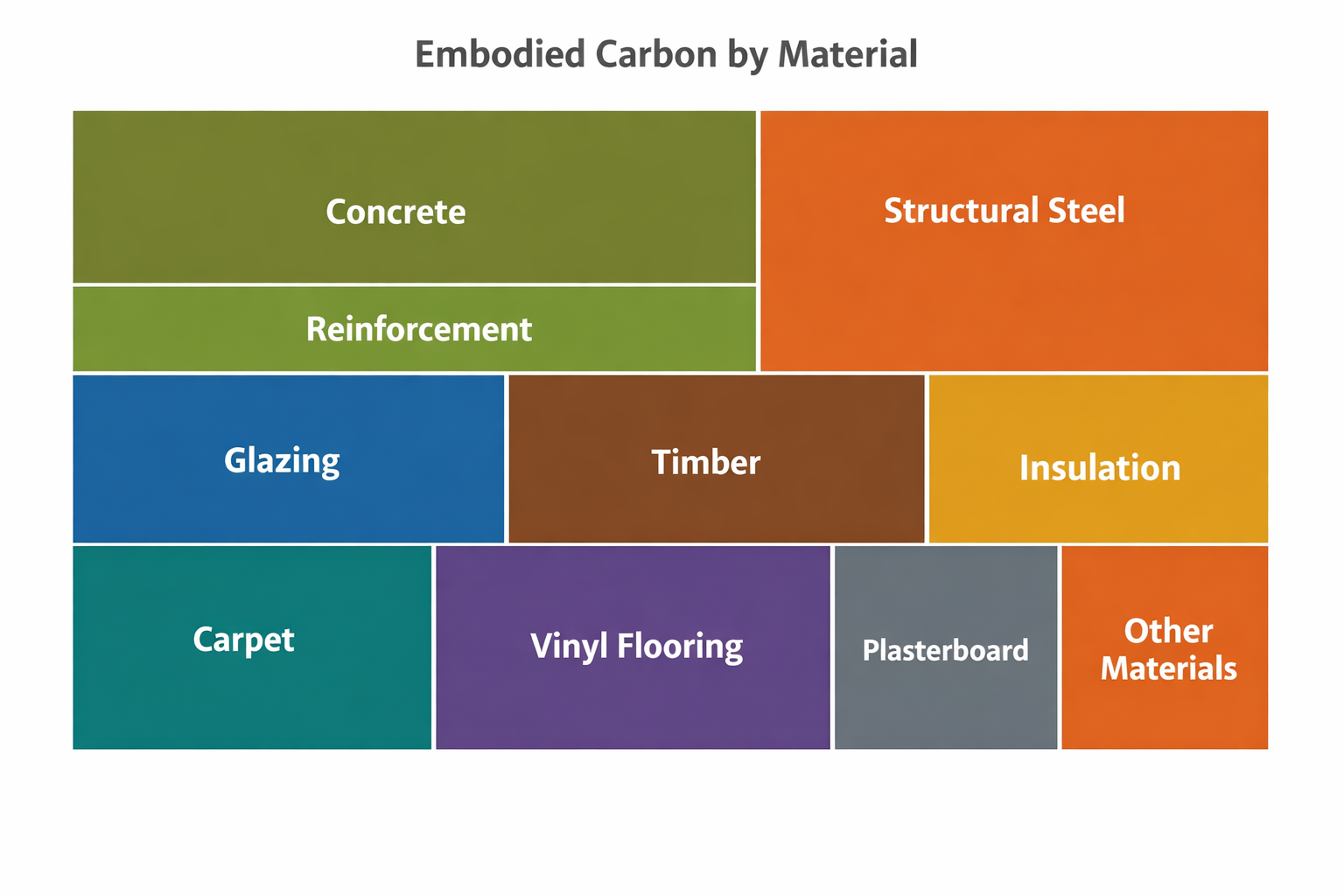
Visual tools such as treemaps, bar charts, and hotspot diagrams help align designers, engineers, and commercial teams around the same priorities. Carbon stops being abstract and becomes something the team can actively manage.
Step 3: Act early in design
The largest carbon reductions usually come from early design decisions, not late-stage substitutions.
Examples include:
Optimising concrete strength classes and cement replacement levels
Challenging conservative assumptions that drive over-specification
Reviewing spans, grids, and structural efficiency
Considering construction methodology and temporary works alongside permanent works
Small changes at this stage can deliver meaningful reductions with little or no cost premium. Once design is locked and procurement is underway, options narrow quickly.
Step 4: Manage carbon like cost
Carbon performs best when it is treated as a core project control, not a reporting exercise.
Leading projects integrate carbon by:
Setting carbon targets or budgets alongside cost budgets
Assessing the carbon impact of design changes
Assigning clear ownership and governance
Aligning carbon management with client, regulatory, and funding requirements
This approach reframes carbon as a commercial and risk consideration, rather than a standalone sustainability task.
Why early carbon hotspot identification matters
Projects that identify and address carbon hotspots early are better positioned to:
Reduce redesign and late-stage mitigation risk
Focus effort on high-impact decisions
Achieve genuine emissions reductions
Maintain cost, programme, and quality outcomes
As client expectations and regulatory requirements continue to evolve, early and structured carbon management is becoming standard practice rather than best practice.
How Quantum Insights Advisory supports carbon management
At Quantum Insights Advisory, our Carbon Management Planning services are designed to integrate seamlessly with cost planning, commercial controls, and project delivery.
We help project teams:
Identify carbon hotspots early in design
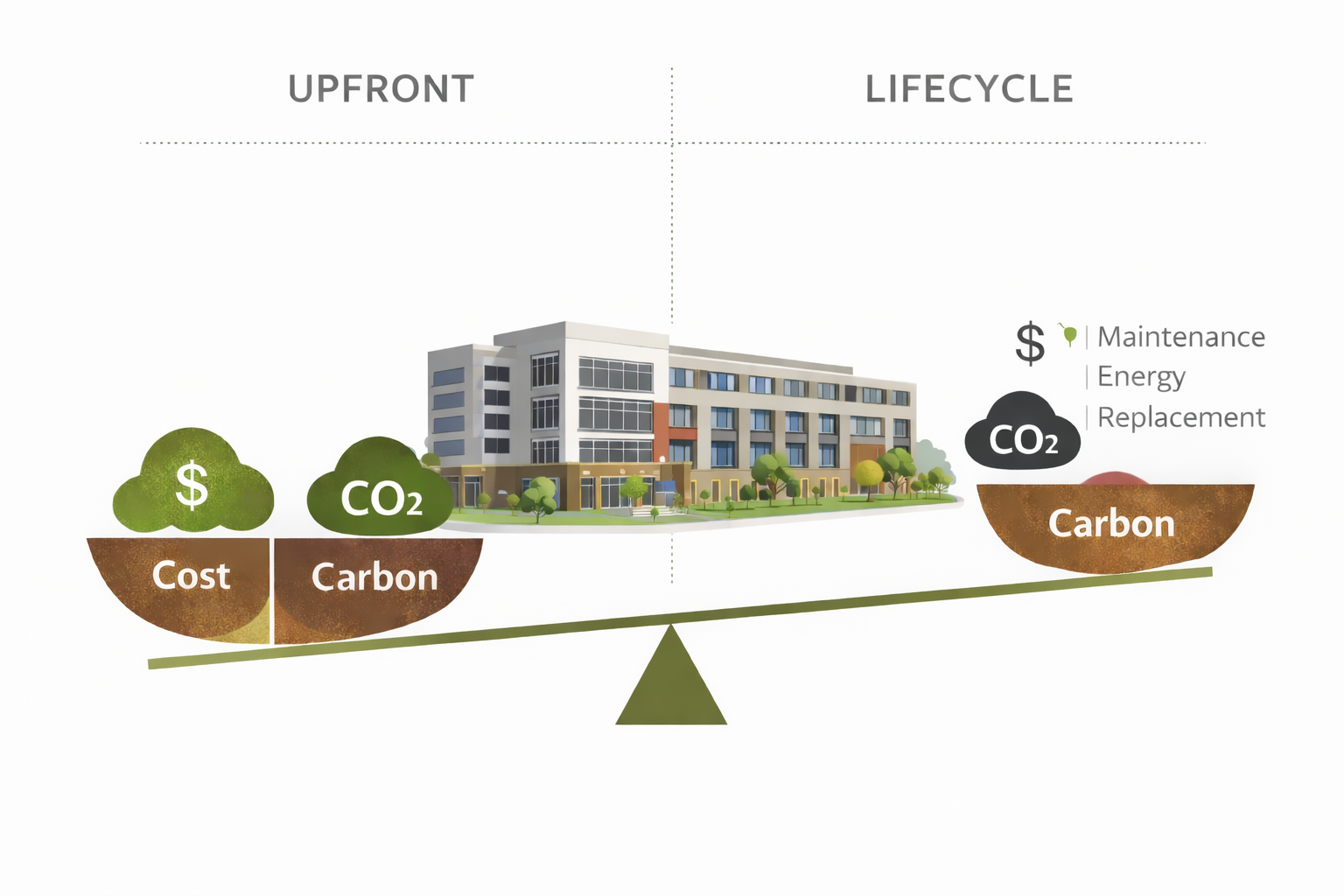
Quantify trade-offs between cost, carbon, and performance
Target practical, high-impact reductions
Embed carbon management into project governance
Our focus is on providing clear, numbers-driven advice that supports informed decision-making across the life of a project.
If you would like to discuss how Carbon Management Planning can support your next project, we welcome the conversation.
